Red, White and Rhubarb Crisp

rhubarb crisp ingred

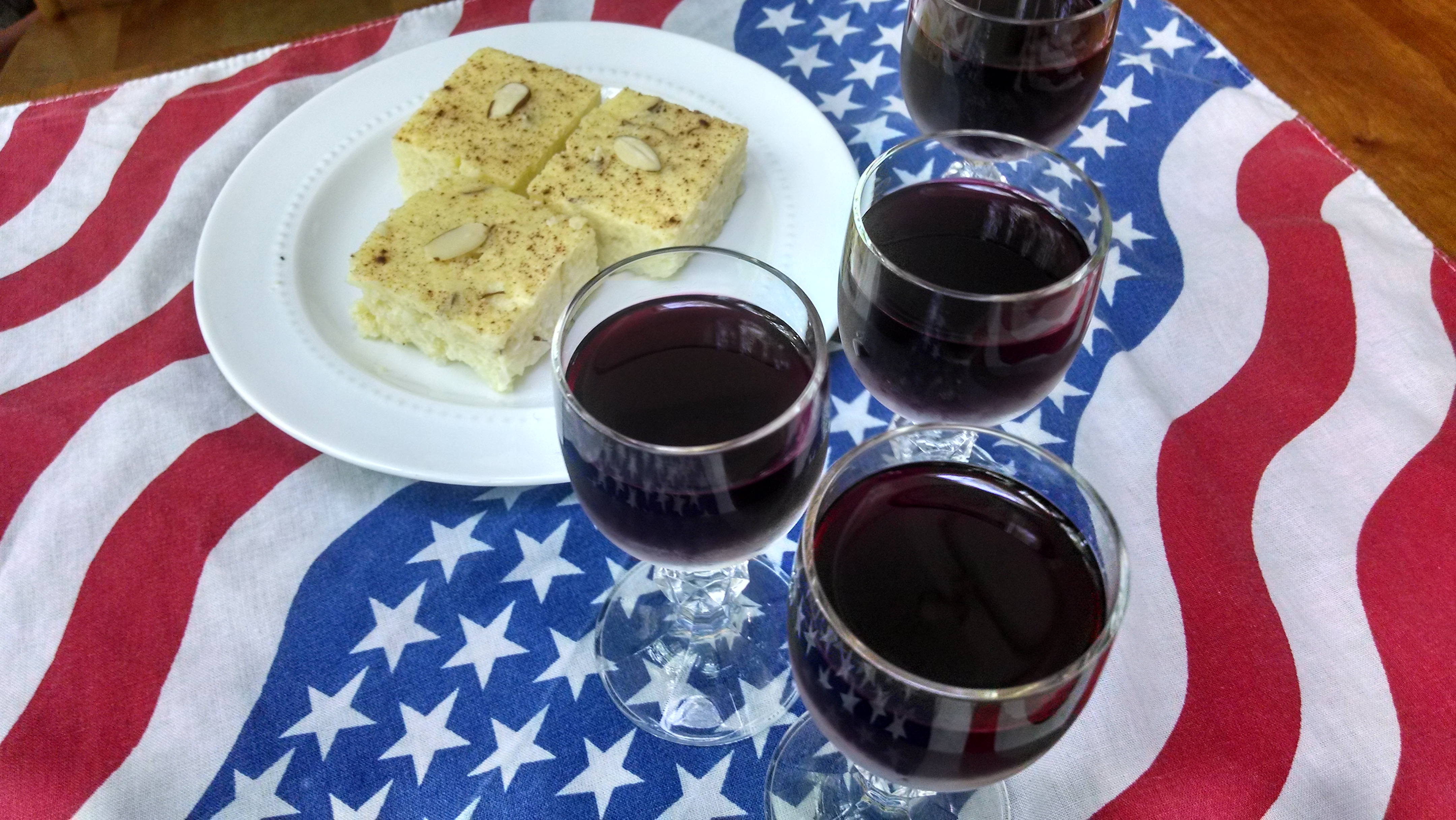
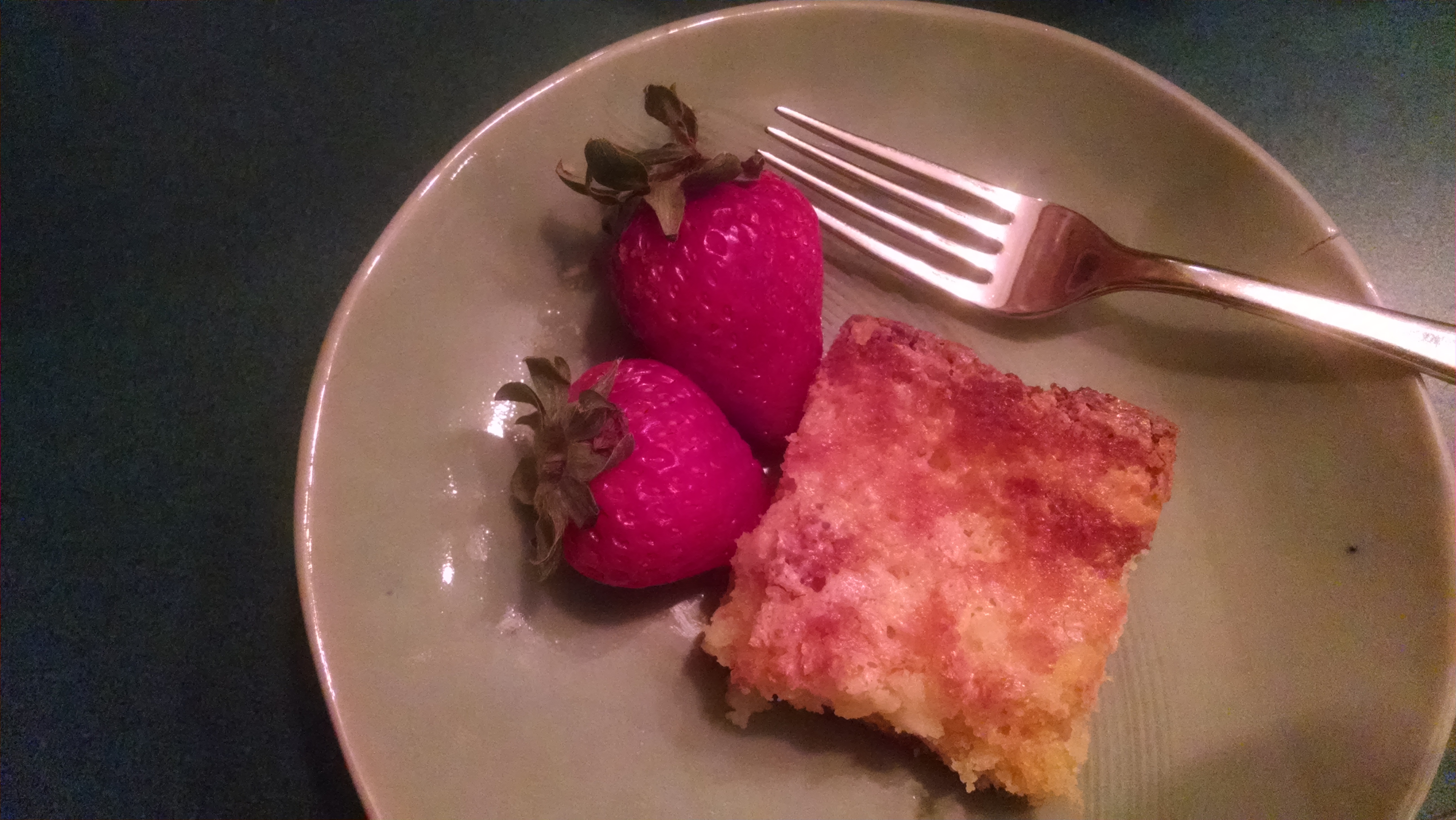
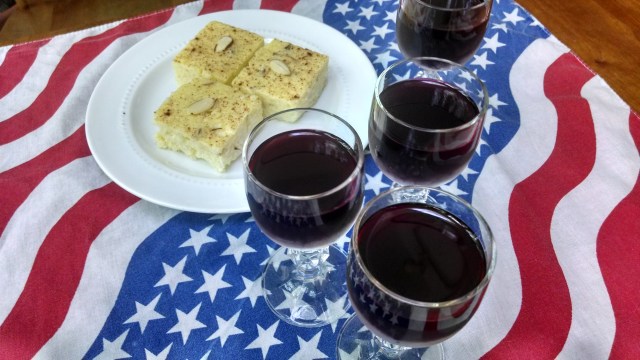
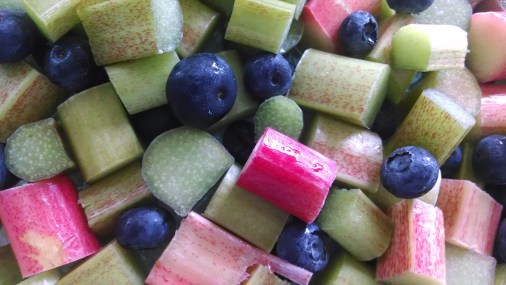
I expected rhubarb to be out of season by now, but in western New York, this plant still thrives, perhaps due to the winter of the Arctic vortex and the cool spring afterwards. So I scrapped my plans for my usual strawberry-blueberry medley for July 4 and came up with a slightly different way to incorporate red, white and blue into my dessert. I used red rhubarb, blueberries, and white flour in the topping for this baked rhubarb crisp. Continue reading

Posted in cookbooks, Food, History | Tagged , , , , , , | 2 Comments

Friends by the Lake: Mrs. Henry Ford and Mrs. Thomas Edison

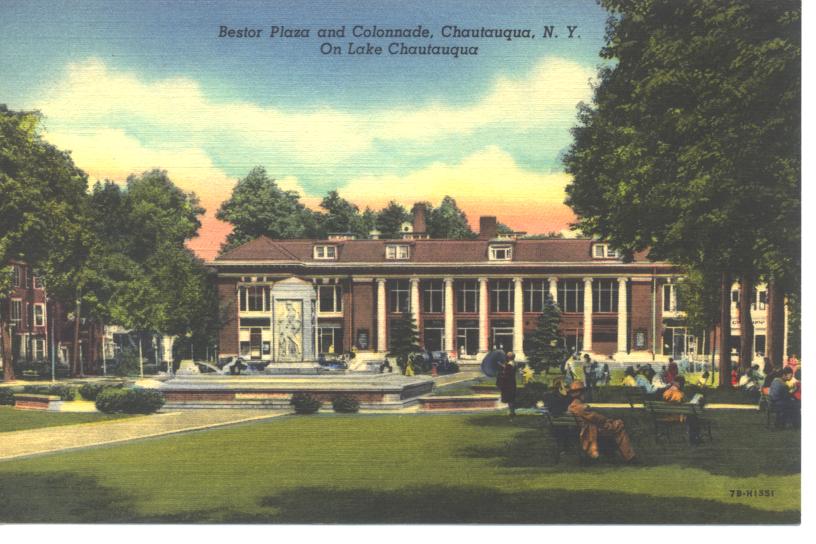
colonnade post cardLake. Hills. Sky. That’s my view at the Chautauqua Institution in western New York, where I work all summer. This region is most famous for Welch’s grape juice (made from grapes grown in Lake Erie terroir), Buffalo wings, and an overstuffed, horseradish-doused sandwich known as beef on weck. Over the years, many illustrious guests have visited Chautauqua, which started in 1874 as an educational program for Sunday School teachers. Its focus, greatly expanded since then, now includes music, theater, visual arts, dance, and lectures by everyone from former news anchor Tom Brokaw to author Margaret Atwood.

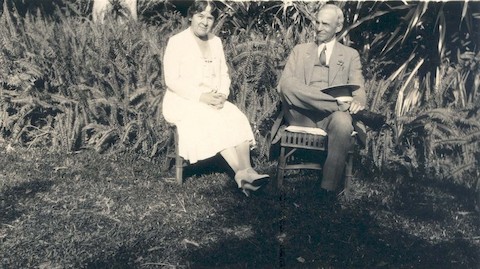
Clara and Henry Ford Source: Edison & Ford Winter Estates

Clara and Henry Ford
Source: Edison & Ford Winter Estates

Nature lovers at Chautauqua started the Bird, Tree and Garden Club in 1913, and the group still sponsors nature walks, garden awards, and an annual mushroom sandwich lunch. Their sampler cookbook from 2003 includes recipes from its former president, Mrs. Thomas A. Edison (the inventor’s wife and also Chautauqua co-founder Lewis Miller’s daughter), as well as Chautauqua guests Mrs. Herbert Hoover, Mrs. Franklin D. Roosevelt, and Mrs. Henry Ford, all identified in that old-fashioned way.

The Fords and the Edisons became good friends, as you might expect of two early 20th century inventors, and spent their winters near each other in Fort Myers, Florida. Their homes have now become the Edison & Ford Winter Estates museum. Henry Ford met his wife, Clara Bryant Ford, at a Detroit-area New Year’s dance in 1885. According to the Edison & Ford web site, Henry nicknamed Clara his “great believer” and always appreciated her support of his ideas and ambition.

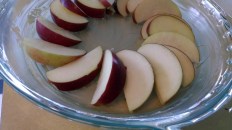
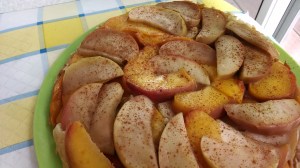
Clara Ford contributed “an old family recipe brought from England nearly 100 years ago” to the Bird, Tree and Garden Club Sampler Cookbook. Since peaches at the farm stand down the road looked so fresh, I replaced half of the apples with peaches. The pie could be made with either or both fruits. The original recipe calls for nutmeg only, but since I didn’t have any, I used cinnamon. The fizzing sour cream for the crust.  feels, quite appropriately, like a science experiment. The result looks more like upside down cake than a bird’s nest, and it tastes better than twigs and twine!

Bird's Nest Pie 1Bird's Nest Pie finished


Mrs. Henry Ford’s Bird’s Nest Pie
Serves 8

4 apples or peaches (or a combination), sliced
Juice of ½ lemon
Approximately 4 tablespoons sugar
Nutmeg or cinnamon, for sprinkling
Approximately 2 cups (16 ounces) sour cream
1 ½ teaspoons baking soda
2 cups flour
Pinch salt

  1. Preheat the oven to 350 degrees. Grease the bottom and sides of a pie dish with butter. (I used a 9.5 inch glass dish)
  2. Arrange the fruit in the pie dish, layering it so the top surface is fairly flat. Squeeze the lemon juice over the top and sprinkle with approximately 2 tablespoons of sugar. Sprinkle with cinnamon or nutmeg.
  3. Place 1 ½ cups of the sour cream in a bowl. Add the baking soda and stir until the mixture foams.
  4. Add the flour and salt, then stir to combine. Add more sour cream until the batter will “just drop off the spoon, not pour.”
  5. Smooth the batter evenly over the fruit, using the back of a spoon or your hands (or both) and making sure it reaches the edges of the pie pan.
  6. Bake approximately 30 minutes, until golden brown on top and the fruit is cooked through.
  7. Remove from the oven and place a serving plate over on top of the pie dish. Turn the pie upside down onto the serving dish so the apples are on top and the crust is on the bottom. Sprinkle with more sugar and cinnamon or nutmeg. Serve warm.


Posted in cookbooks, Food, History | Tagged , , , , , , , , , | 2 Comments

Raise a Glass of Strawberry Soda for Juneteenth

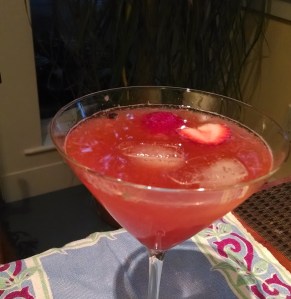
Strawberry soda martini (2)

Growing up in the South, I drank a sugar shock-inducing amount of garishly colored Nehi grape and orange sodas, but I never heard of a strawberry soda. Maybe that’s because I hadn’t yet heard of Juneteenth, which each year on June 19 celebrates the end of slavery.

Why a holiday in June when Abraham Lincoln issued the Emancipation Proclamation that freed slaves on January 1, 1863? That’s because in 1863, President Lincoln’s order did not apply to the Southern states that were busy fighting the Civil War. Only when the United States won the war in April, 1865 and the South rejoined the Union did slavery finally end. It still took until June 19, 1865 for Union soldiers to reach Galveston, Texas, once part of the Confederacy, to tell the slaves there that they were free. A celebration has taken place on June 19 ever since.

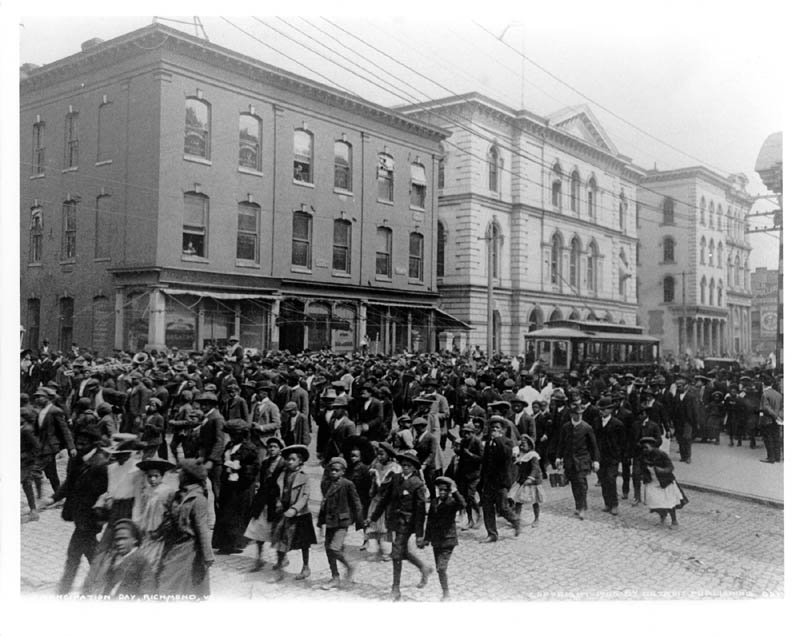
Emancipation Day, Richmond,  Va., 1905 Source: VCU Libraries

Emancipation Day, Richmond, 1905
Source: VCU Libraries

Texas recognizes Juneteenth as a state holiday, and events also take place around the country, especially in African-American communities in the South. This photo shows a Juneteenth “Emancipation Day” parade in Richmond in 1905. Strawberry soda typically accompanies barbecue and other red foods, such as red rice (rice with tomatoes), watermelon, strawberry pie, and red velvet cake.

I adapted this recipe from a decidedly un-ethnic source: Bon Appetit. It seems more designed for cocktails than picnics, but I chose it because it can be increased for groups of all sizes. It’s also easily adaptable. Substitute mint for basil, lime for lemon, and add gin if you’re serving adults. Slavery ended more than 150 years ago, but we can still raise a glass of strawberry soda to the end of this pernicious system that was a scourge to the freedom proclaimed in the Declaration of Independence.

Strawberry Soda
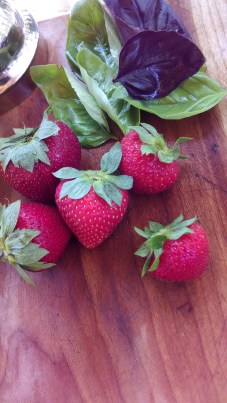
Serves 1Strawberry soda ingredients 2

2 tablespoons lemon juice
1 tablespoon sugar
6 basil leaves
5 strawberries, cut in half, plus more for garnish
Pinch salt
1/2 cup soda water

  1. In a cocktail shaker or pitcher, combine the lemon juice, sugar, basil, strawberries, and salt. Use the handle of a wooden spoon or a muddler to mash the ingredients together until the sugar dissolves.
  2. Pour in the soda water and 2-3 ice cubes. Stir to combine.
  3. Strain the soda through the lid of the cocktail shaker or a strainer. Add more ice and garnish with strawberry slices.
Posted in Food, History, memoir | Tagged , , , , , , , , , | Leave a comment

‘Top Knot’ Cookies for a Birthday Girl

Top Knot Cookies 3My grandmother, Hanna, launched a generation of young Richmonders by baking birthday cookies for them at the nursery school she directed. She topped each birthday boy or girl’s cookie with a Hershey’s chocolate kiss, making a special treat for a four or five year old. All the other cookies had just one chocolate chip on top. Before serving, she sat at the piano and played “Happy Birthday,” swiveling her neck around and smiling brightly to lead everyone in the sing-along.

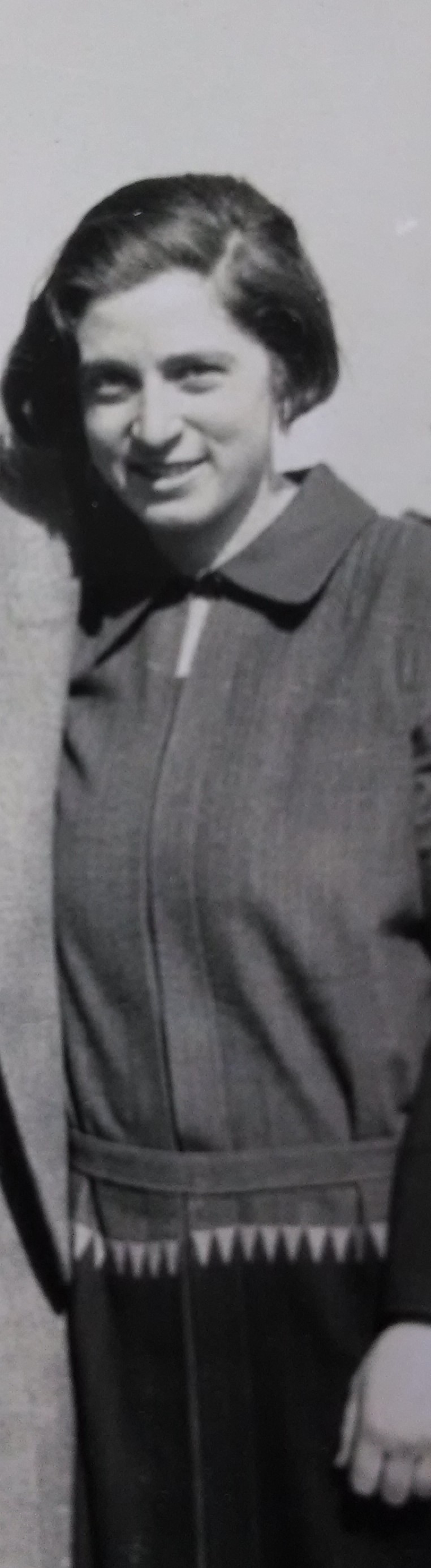
Grandma Hanna

Grandma Hanna

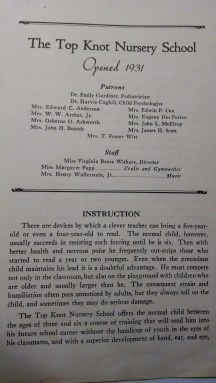
Top Knot brochureThe original recipe for the cookies comes from the Top Knot Nursery School, where she began her career in the 1930s. She never intended to teach, but she needed a job during the Great Depression. Since she could play the piano, she became the school’s music teacher. Eventually, she bought the business, renamed it Tuckahoe Nursery School, and ran it until she retired in 1970. For my daughter’s birthday this week, I pulled out this recipe – the only cookies I remember my grandmother ever baking. I cut the quantities in half from the school’s original (which made nearly 100), and added baking instructions. My daughter and her friends devoured them, proving that this recipe has withstood the test of time.

Top Knot cookies 1Top Knot Nursery School Cookies (circa 1935)
Makes 48 cookies

1 cup white sugar
1/2 cup brown sugar
1/2 cup (1 stick) butter
1 egg
1/2 level teaspoon baking soda, dissolved in 1/4 cup boiling water and set aside to cool
2 cups flour
1/2 teaspoon each nutmeg, mace and cinnamon (I just used nutmeg and cinnamon)
1 or more Hershey’s chocolate kisses
Approximately 1/2 cup chocolate chips

  1. Preheat the oven to 350 degrees. Line two baking sheets with parchment paper.
  2. In a mixing bowl, cream the butter and sugar.
  3. Add the egg and baking soda mixture, mixing well to combine.
  4. Sift in the flour and spices. Stir to make a thick dough.
  5. Place the dough by the rounded tablespoon onto the cookie sheet, leaving space between each spoonful. Top each cookie with a chocolate chip or a Hershey’s kiss. (I made 16 cookies per baking sheet).
  6. Bake approximately 10 minutes until the edges are brown and the cookies are golden. Remove with a spatula. Serve warm while you sing happy birthday!

Variation: For chocolate cookies, omit the nutmeg, mace and cinnamon and add 1 ounce semi-sweet or bittersweet chocolate, melted, to the butter-sugar mixture.

Posted in Food, History, memoir | Tagged , , , , , , , , , | Leave a comment

Finders, Keepers: Rescuing a Discarded Recipe Book

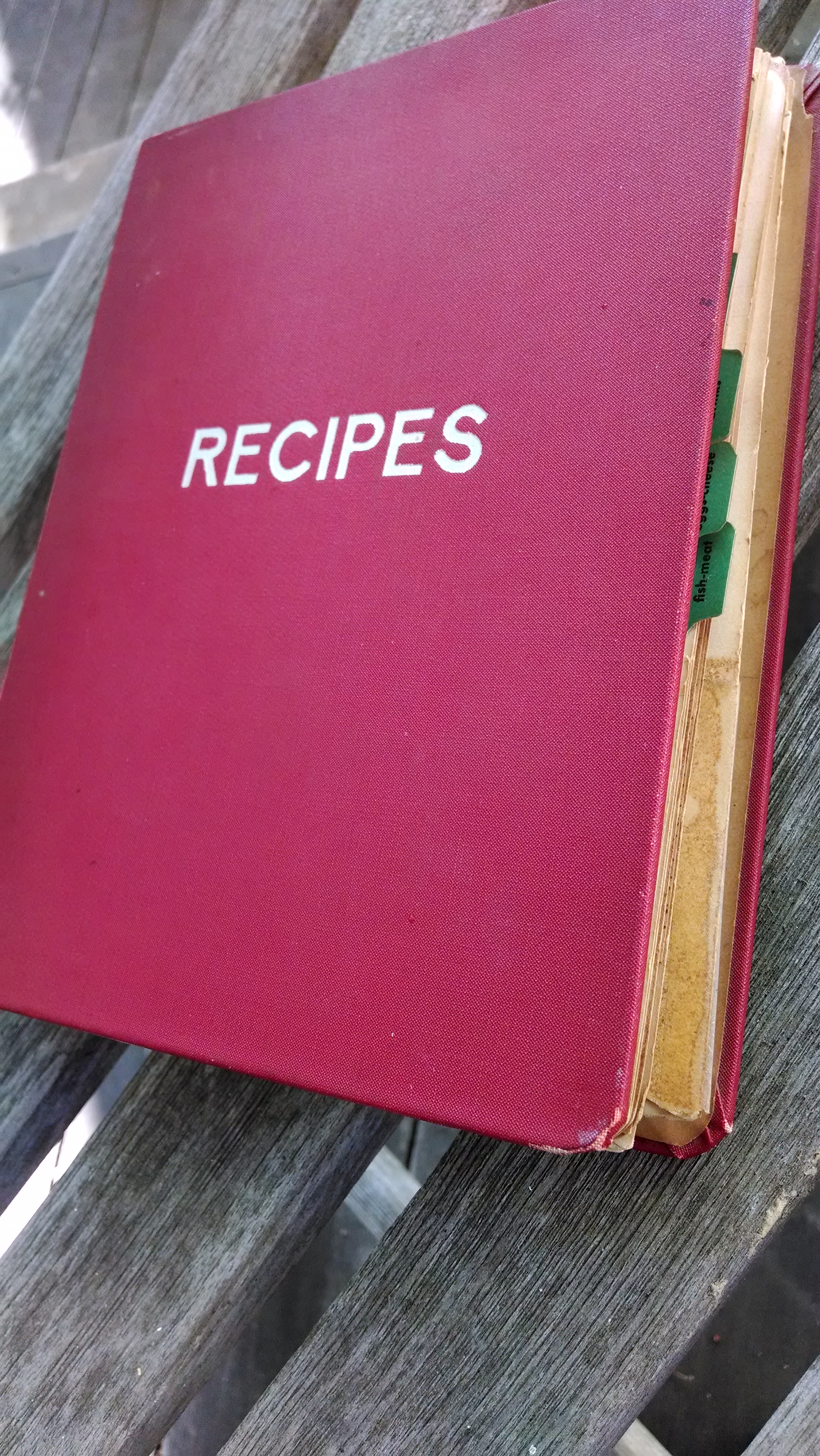
Spread recipe book coverWhen I found a red, three-ring notebook of someone’s favorite recipes in the magazine swap bin at my local library, I knew I had to bring it home. I would value a stranger’s carefully clipped and pasted recipes that no family heir had taken. No one wrote a name in the book. Proof of the time frame came from a list of ingredients with a price for Plumrose ham ($2.87 per can) noted on 11/25/69 next to the rest of the shopping list for baked ham and cheese sandwiches: A&P real sliced cheddar, Arnold Brick Oven bread, 4 eggs, and 3 cups of milk.

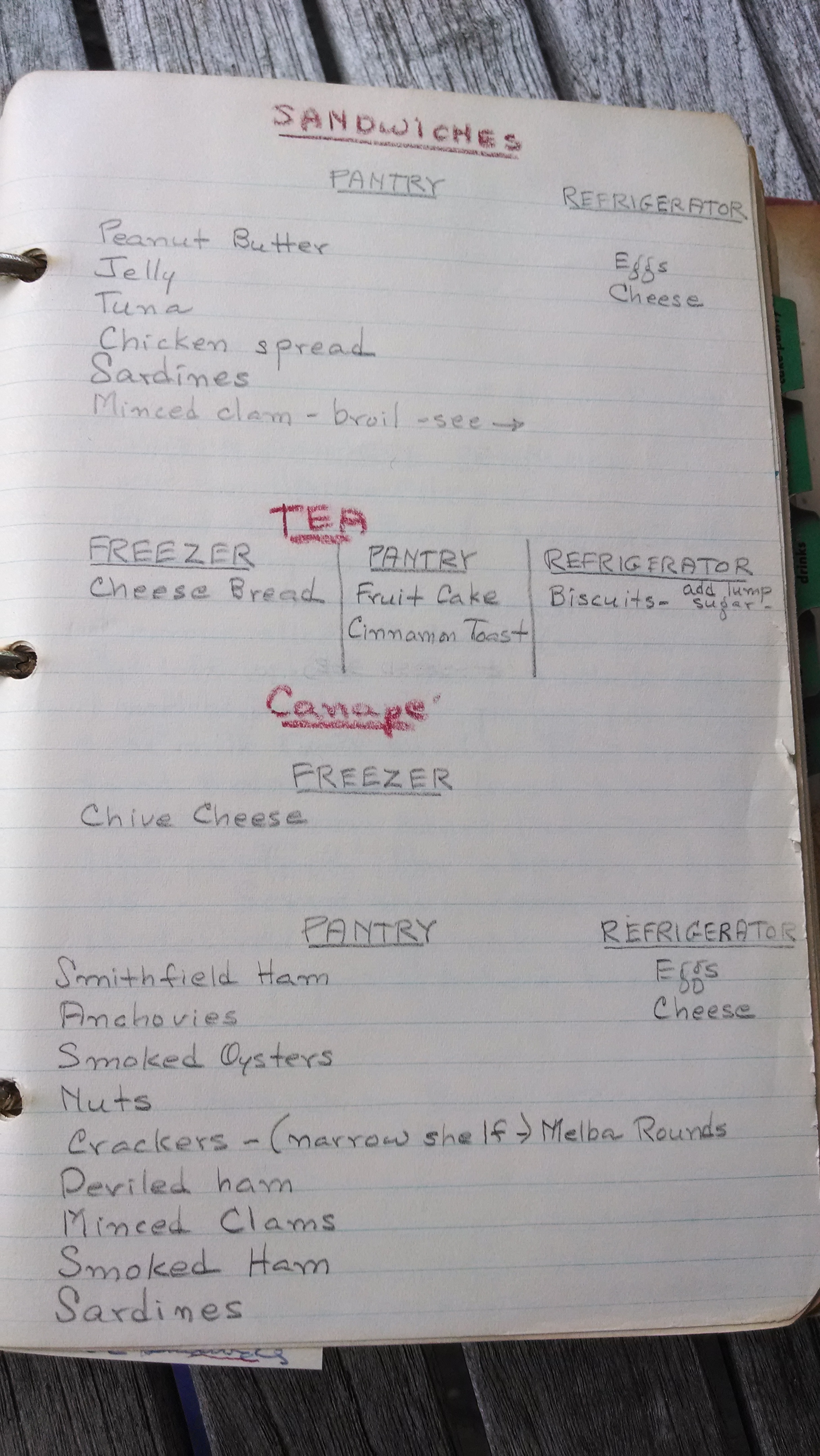
Spread pantry listMaybe nobody claimed this book because it seems so outdated. Just look at the pantry items. Inside are equally outdated recipes. Chicken marinated in bottled French dressing. Corned beef hash. Asparagus rolled up in ham slices. The book’s owner also saved advice about what to eat in the pamphlet “For Health and Happiness through Food.” The wisdom of our predecessors? “To guard against no appetite and ensure good digestion and nerves, eat pork, peanut butter, whole wheat bread, and cereals.” What, no fruits and vegetables?

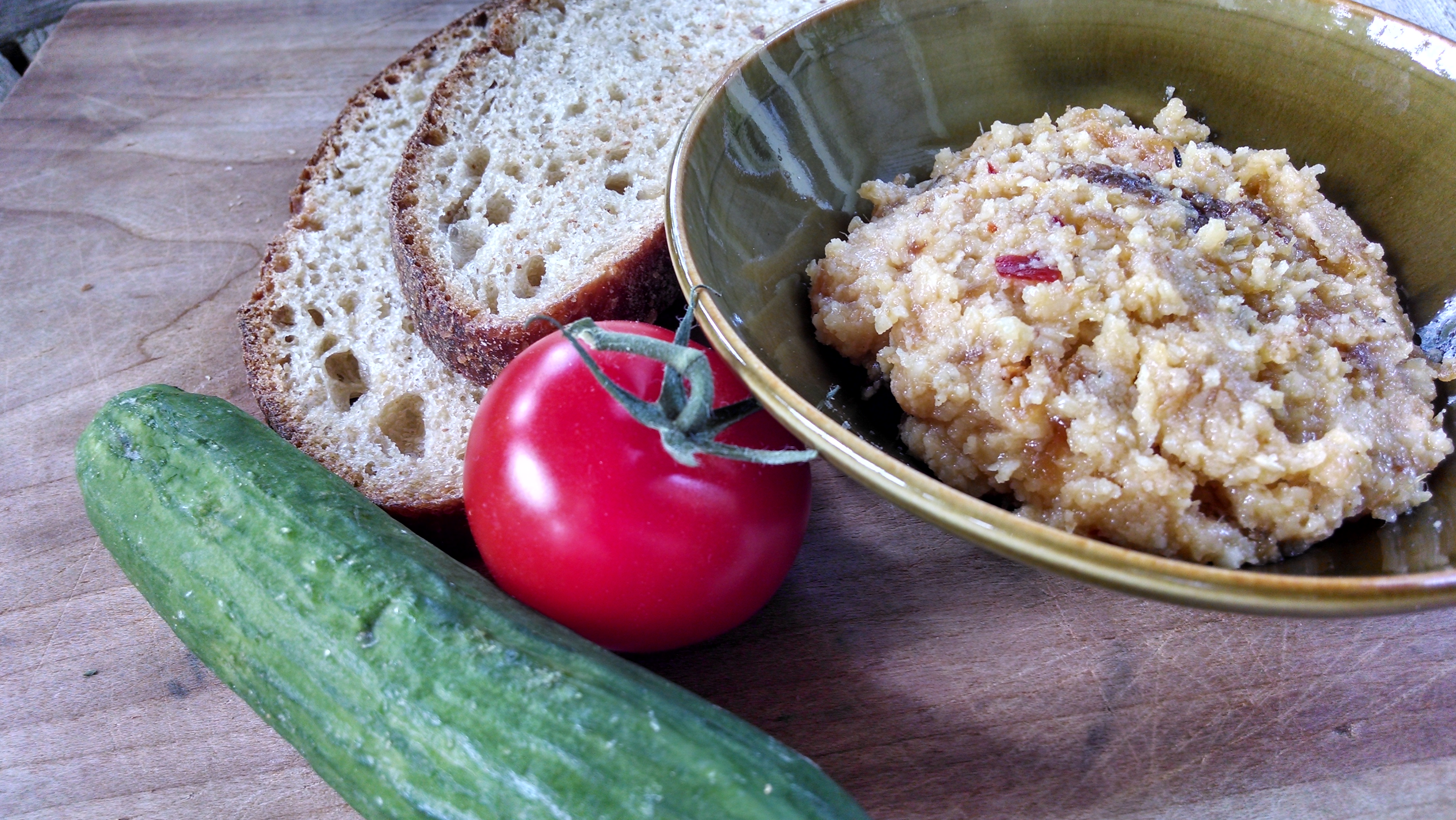
Eager to make good use of my swap bin find during picnic season, I decided to try Chutney-Cheddar Spread, something that probably went out of fashion around the time that the Mad Men characters stopped coming to work in mini-skirts. I hoped the spread would liven up my sandwiches and it did. It delivered a concentrated jolt of flavor best accompanied by sliced tomatoes and cucumbers to tone it down – but it sure beats boring grilled cheese, and think of the story I can tell at the picnic table.

Spread 2Mystery Woman’s Chutney-Cheddar Spread (circa 1969)
Makes about 2/3 cup

4 ounces shredded cheddar cheese (about 1 cup)
1/4 cup chopped chutney (I used ginger-mango)
2 tablespoons butter or margarine (soften first)
1 teaspoon instant minced onion flakes
1/4 teaspoon Worcestershire sauce
Dash bottled hot pepper sauce

Combine all ingredients in a small mixer bowl. Beat until fluffy. Spread on sandwiches or crackers.

Posted in cookbooks, Food, History, memoir | Tagged , , , , , , , | 2 Comments

Rum Punch and Rice Pudding to Honor the Nation’s First Memorial Day

Mem Day 1Memorial Day honors all who sacrificed their lives while serving in the U.S. military, but it started as a Civil War remembrance. In the spring of 1866, a year after the war ended, people in towns in the North and in the South placed flowers on the graves of the war dead, calling the practice “Decoration Day.”
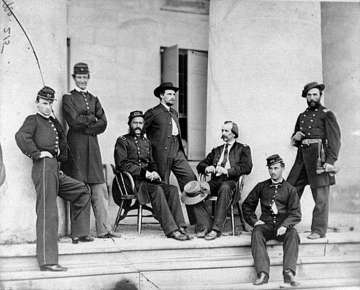
Union soldiers at Arlington House in 1864. Source: Library or Congress

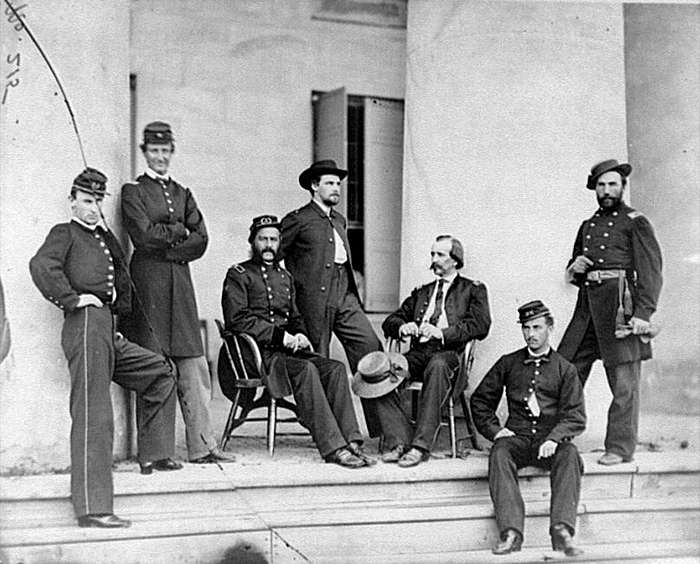
Union soldiers at Arlington House, once home of Robert E. Lee, in 1864. Source: Library or Congress

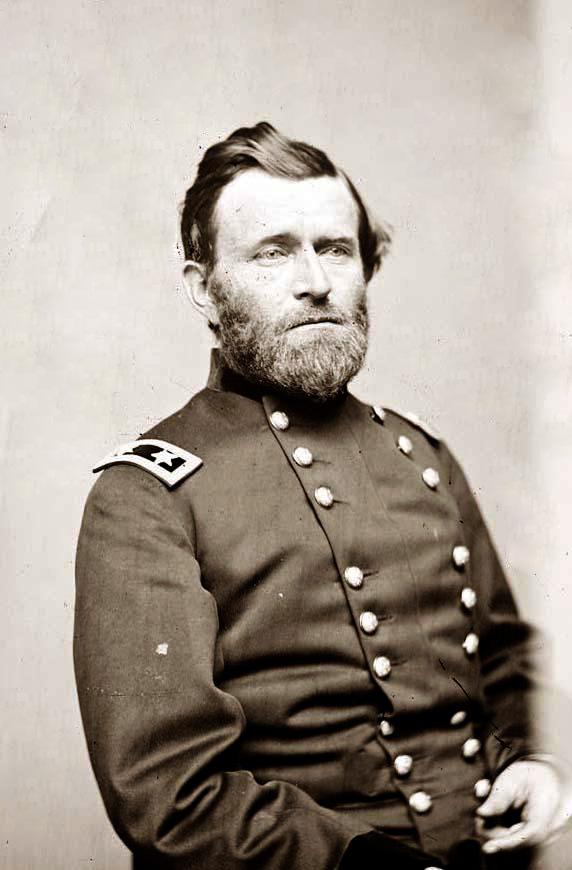
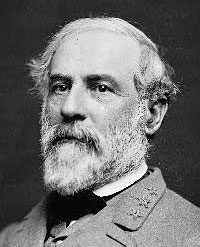
The first large national observance took place on May 30, 1868 at Arlington National Cemetery near Washington, D.C. Union General (and future U.S. President) Ulysses S. Grant attended the first Memorial Day observance. Children and veterans placed flowers on the graves. This was a fitting place to honor soldiers from both sides of the war, as the cemetery started when Union soldiers took over Arlington House, the home of Confederate General Robert E. Lee and buried their dead on his lawn. Lee and his wife, Mary Custis Lee, great-granddaughter of Martha Washington (our nation’s original First Lady) were married in the parlor there in 1831. The Lee family lived there until the Civil War started in 1861.

To honor the original spirit of Memorial Day, and my family roots on both sides of the Civil War – Virginia and West Virginia – I made a recipe from General Grant and another from General Lee. The Food Timeline maintains an extensive database of Presidential recipes, which is where I found out that Grant’s favorite dessert was rice pudding. According to The First Ladies Cookbook by Margaret Brown Klapthor, many of President Grant’s state dinners consisted of 29(!) courses with a break after the entree for Roman punch to fortify the guests.

How fitting that one of the recipes from the Lee family posted by the National Park Service, which now operates the Arlington House, is for Roman punch. Using a base of tea, sugar, and currant jelly, the thick punch gets its kick from rum and brandy. My husband and I found the Roman punch too thick and sweet, but easily solved that problem with more rum. When the rice pudding tasted somewhat bland, that proved easy to solve, too: a tablespoon or two of Roman punch sprinkled over the top. Here’s to national unity as well as a somber remembrance of all soldiers who made the ultimate sacrifice in our wars.

Gen. Ulysses S. Grant

Gen. Ulysses S. Grant Source: Wikimedia

Ulysses S. Grant’s Favorite Rice Pudding
(Adapted from The President’s Cookbook, by Poppy Cannon and Patricia Brooks, 1968)

Serves 8

3/4 cup long-grain white rice
1 1/2 quarts (6 cups) milk
3 tablespoons butter
5 eggs
1/2 cup sugar
1/2 cup slivered almonds
Cinnamon and nutmeg, to taste
Zest of 1 lemon (optional – this was my addition)

  1. Place the rice in a saucepan. Add the milk and simmer very slowly, stirring occasionally, until the rice is soft, about 2 hours. Add the butter, remove from heat, and cool.
  2. Meanwhile, in a mixing bowl, beat the eggs well and stir them into the rice mixture. Add the sugar and mix carefully.
  3. Pour the mixture into a large greased baking pan and add 1/2 cup slivered almonds, mixing them gently into the pan.
  4. Bake in a medium-warm (325 degrees) oven until the custard sets, 30 to 40 minutes. Remove from the oven, sprinkle a mixture of cinnamon and nutmeg over the top and serve. Delicious either warm with cream or chilled.
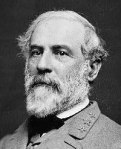
Robert E. Lee source: Library of Congress

Gen. Robert E. Lee Source: Library of Congress

Robert E. Lee Family’s Roman Punch
(Adapted from a Lee family recipe in The Robert E. Lee Family Cooking and Housekeeping Book by Anne Carter Zimmer, great-granddaughter of Robert E. Lee)

Makes about 1  1/2 quarts

1  1/2 scant cups sugar
1/2 cup seedless blackberry jelly (original recipe calls for currant jelly but I couldn’t find it)
3 1/2 cups water
Juice of 3 lemons
1/2 cup brandy
1/3 cup black rum
3 tablespoons or 3 bags of green (or black) tea

  1. Heat 1 3/4 cups water in a saucepan with the jelly and sugar, stirring to dissolve.
  2. Boil the remaining 1 3/4 cups water and make the tea.
  3. Combine the tea and jelly mixtures in a heat-proof container. Let cool to room temperature.
  4. Add the lemon juice, brandy and rum, stirring to combine. Cover and leave overnight at room temperature, or store up to 3 days in the refrigerator. Freeze if you like.

Notes from the original recipe: Unsweetened peach brandy is best, but a medium-priced regular French brandy will do. Made with 70- to 80- proof rum (35 to 40 percent alcohol), this becomes a smooth, soft sorbet, a delightful summer dessert. More alcohol and less sugar produce a daiquiri-like cocktail that semifreezes. Or still-freeze it to a slushy consistency and pour it without more ice into a punch bowl.

Posted in cookbooks, Food, History | Tagged , , , , , , , , , , , , | 2 Comments

Eggplant Stew from My School’s International Dinner

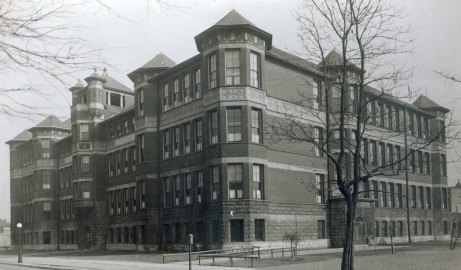
Ray School 1914 courtesy Bill Latoza

Ray School 1914 courtesy Bill Latoza. Source: chicagohistoricschools.com

The elementary school I attended in Chicago in the 1960s is within walking distance of the home where Barack and Michelle Obama lived before they moved to the White House. My parents used to take me for ice cream at Baskin-Robbins, the site of their first date, now commemorated with a plaque described in the Chicago Tribune. I still remember how to walk to the William H. Ray School. From my house, I turned left, passed the Hyde Park Neighborhood Club and Wolf’s toy store; then crossed East 55th Street with a “police lady” who wore a shiny cap, blue skirt, and white gloves.

Chicago ice skating

Ice skating with a friend in Hyde Park

Hyde Park, one of the few racially mixed neighborhoods in the U.S. at the time, attracted families from all over the country and all over the world. That gave the menu at the Ray School’s Parent-Teacher Association’s annual international dinner amazing variety at a time when Tang and Velveeta dominated many pantries. The 36 families who contributed recipes represented France, Italy, Switzerland, Armenia, the Philippines, and Japan. The American entries? True to the time period, the BOMB (beans, onion, mustard and bacon) sandwich, and Bronx Bavarian Cream (ice cream Jell-O mold).

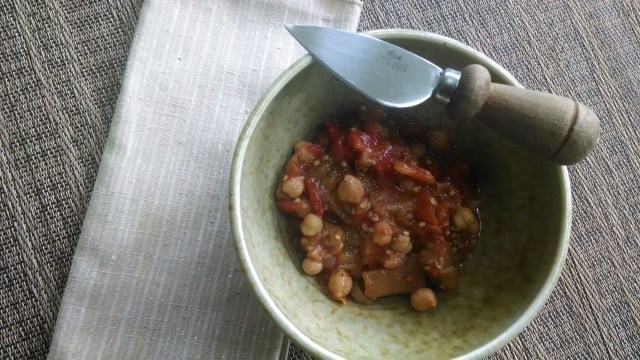
My mother helped collate and staple the collection, and managed to save it long enough for me to list the recipes on our Ray School Facebook page. The one that I made, Msa-a-a, makes an interesting variation on two dishes that I never ate back then: baba ganoush and chickpea salad. With rice, it’s a light vegetarian meal; with crackers or pita bread, a snack. The school demonstrated a concept that we never talked about back then, either: diversity. This gave me the right start.

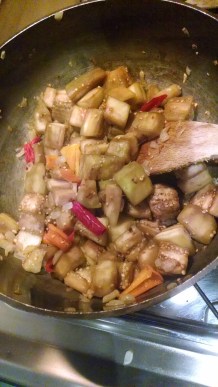
msa-a-a- in brownmsa-a-a in progressMsa-A-A [Arabic Eggplant and Chickpea Stew] (1967)
Makes approximately 4 cups
 
4 tablespoons olive oil
1 cup chopped onion
1 green bell pepper, cut into strips [I used red and yellow peppers]
1 medium eggplant, peeled and cut into cubes
1 1/2 teaspoons salt
1/4 teaspoon pepper
1/4 teaspoon oregano
2 cups chopped fresh tomatoes [I used 1 15-ounce can, including juice]
2 cups (1 15-ounce can) chickpeas, drained [and rinsed]

  1. Heat 2 tablespoons of the olive oil in a deep skillet. Saute the onion for 5 minutes.
  2. Add the remaining 2 tablespoons of oil. Saute the bell pepper and eggplant for 10 minutes, stirring occasionally.
  3. Mix in the salt, pepper, oregano, tomatoes, and chickpeas. Cover and cook over low heat for 30 to 45 minutes, until the eggplants are completely soft and mixed with the other ingredients. Add a little water as it’s cooking if it looks too dry.
  4. Serve hot or cold.
Posted in cookbooks, Food, History, memoir | Tagged , , , , , , , , , | 1 Comment

Lemon Chess Cake: My Mother’s Special Request

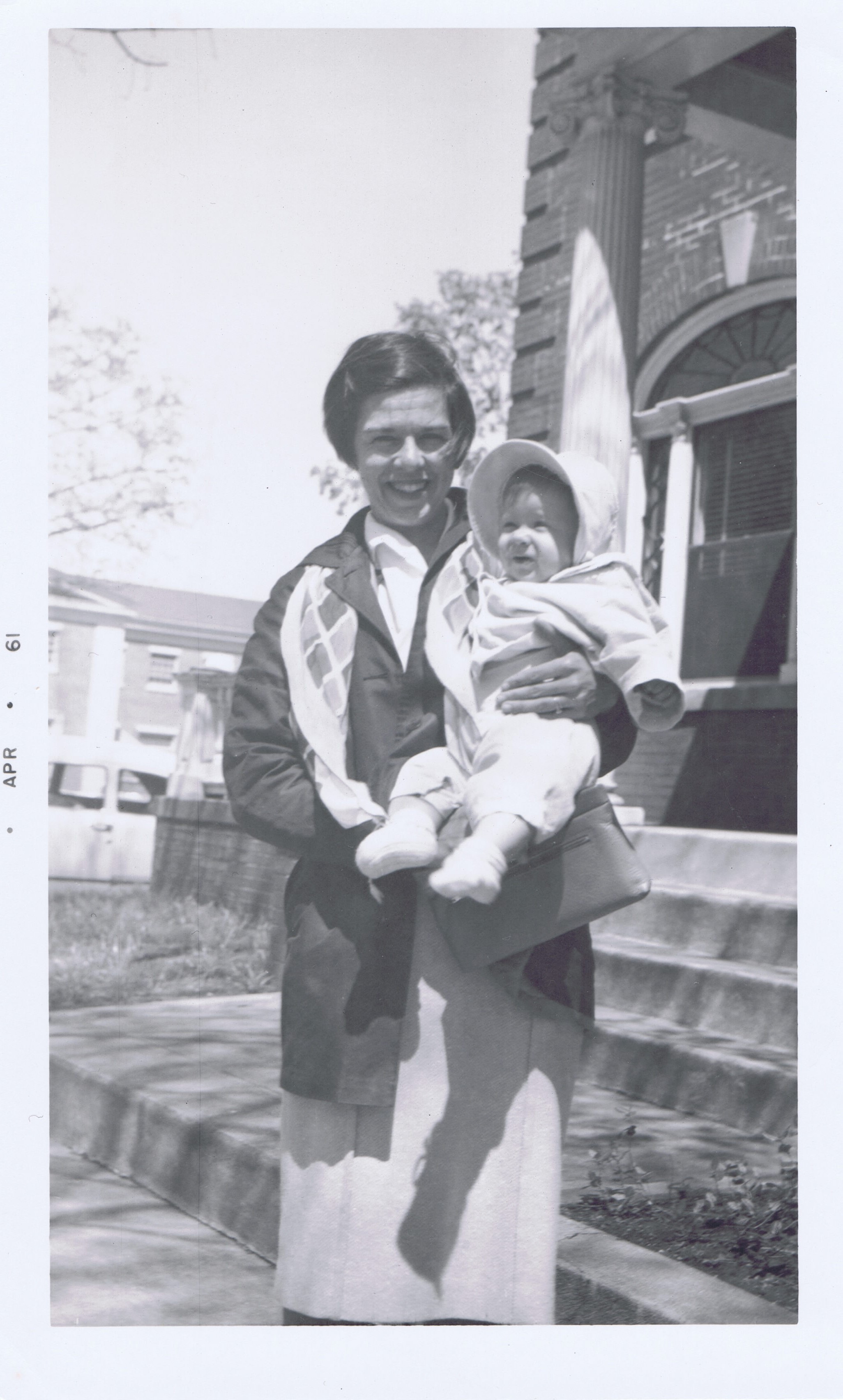
With my mom in Richmond

With my mom in Richmond

In between the time that people traded recipes over the back fence and the internet, newspapers often published recipe exchange columns for readers. For my mother, the Richmond Times-Dispatch ran “Trading Secrets,” which let readers answer requests for everything from Greek Green Beans to Raised Doughnuts. It looks like the column became part of a Yahoo group, but then ceased in the early 2000s.

“Trading Secrets” was part of a long tradition. The history site Massachusetts Moments puts these columns in context by considering the history of the Boston Globe‘s “Confidential Chat”column, which originated under a different name in 1884. A promotional brochure from 1955 described The Chat as “everything of interest to women: food, housekeeping, clothes, children, in-laws, babies, gardens, love, marriage, interior decorating, and a thousand and one other subjects which intrigue the female mind and occupy the female time.” Though we’re thankful that “female time” modernized to include far more weighty topics, the Chat continued until 2006.

Though my mom was a more devoted newspaper reader than a recipe trader, she wrote in May, 1989 to “Trading Secrets” for a Lemon Chess Cake recipe and was rewarded with an answer from Betty of Blackstone, Virginia. Betty’s recipe comes from a Baptist church in Georgia, part of a collection of favorites from members there.

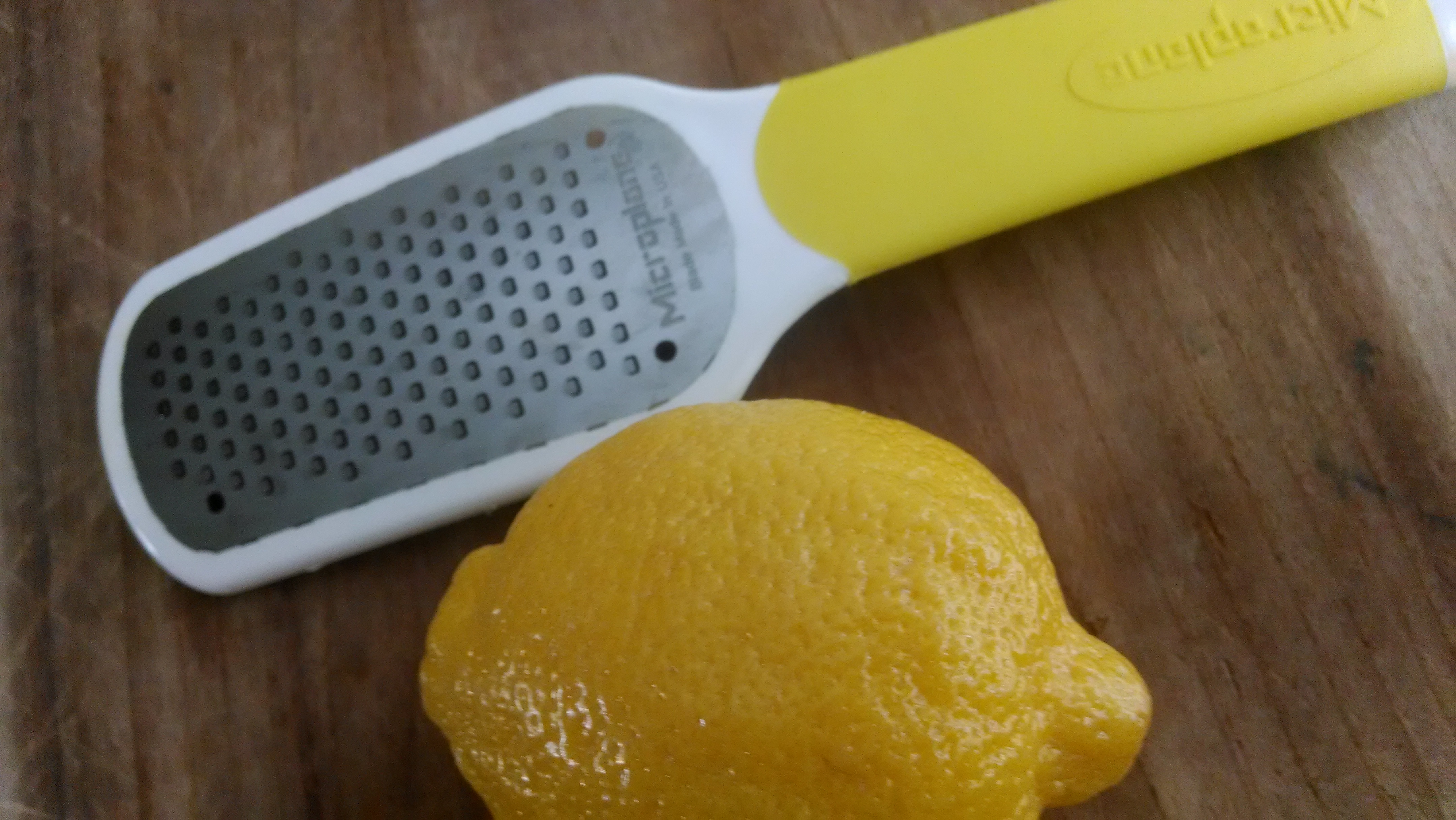
lemonWhat better dessert to make on Mother’s Day than the recipe my mom publicly requested? She would never sneer at its cake mix base as too much of a shortcut. Anything easy suits her just fine. I took the liberty of adding the zest of half a lemon to the filling to give it more zing, but I would put in the zest of a whole lemon next time. I would also use an electric mixer to make the recipe even easier to put together. The cake, a surprise taste of the past for my mom, is the way I wanted to celebrate the holiday this year after Skyping with my own children, who are too far away to bake anything for me.

Lemon Chess Cake (1989)lemon cake
Makes 24 squares

Crust:
1 box yellow or butter cake mix
1 egg
1 stick margarine, softened (I used butter)
Topping:
1 (1 pound) box confectioners’ sugar
1 (8 ounce) package cream cheese, softened
3 eggs
2 teaspoons lemon juice or 1 teaspoon lemon extract
Zest of 1 lemon
1 cup chopped nuts (optional)

  1. Preheat the oven to 350 degrees. Grease the bottom of a 9-by-13-inch baking pan.
  2. For the crust: In a large mixing bowl, combine the cake mix, egg, and butter. Mix well. Press into an even layer in the bottom of the prepared pan.
  3. For the topping: In the same mixing bowl (unless you really want to dirty another), add the confectioners’ sugar, cream cheese, eggs, lemon juice or extract, and lemon zest. Mix well.
  4. Spread the topping evenly on the crust. Sprinkle with nuts if using.
  5. Bake for approximately 50 minutes until set in the middle and lightly brown on top. Cool and cut into squares.
Posted in Food, History, memoir | Tagged , , , , , , , , | Leave a comment

Carrot-Raisin Salad for National Raisin Week

CarrotsName a food, there’s probably a holiday to celebrate it. That’s what I discovered at foodimentary.com, a site that tracks almost daily tributes, from the sublime-sounding National Coconut Cream Pie Day (May 8) to the somewhat ridiculous National Nutty Fudge Day (May 12).

When I discovered that May 1-7 is National Raisin Week, I immediately remembered my mother’s carrot-raisin salad from the 1960s. When I asked her for the recipe, she said she never used one. She simply shredded carrots, then mixed them with raisins and mayonnaise. For color coordination, she served the salad from an orange and white bowl similar to the one pictured here.orange salad bowl

I couldn’t find where carrot-raisin salad originated, but I did learn that ancient Egyptians and Romans ate raisins, and this kind of dried fruit is also mentioned in the Bible. The American market began in California in 1873 when a freak hot spell withered grapes on the vine, and an enterprising San Francisco grocer called them “Peruvian Delicacies,” according to foodimentary.com. The Sun-Maid company opened in 1915, the same year its representatives discovered Lorraine Collette Peterson drying her hair in her parents’ back yard in Fresno, California. Young Lorraine agreed to wear a red sunbonnet and pose for the “Sun-Maid Girl” painting reproduced on the company’s boxes of raisins ever since.

Instead of relying on my mother’s memory for making her carrot-raisin salad, I went to the Good Housekeeping Book of Salads (1958) for specific directions. My mom never added oranges or garnished her salad with slivered almonds and cilantro, but I wanted to add a bit of color contrast. The hint of sugar in the mayonnaise dressing reminded me of when we thought sugar gave us energy instead of empty calories – and my sister and I jumped up from the table to bounce our Wham-O Super Balls in the street after dinner.

Carrot Raisin Salad

Carrot-Raisin Salad (1958)
Serves 4

1/2 cup raisins
Boiling water, as needed
1 large orange or 2 clementines
1 1/2 cups grated raw carrots (about 5 medium carrots)
1/4 cup mayonnaise (I used 2 tablespoons)
1 tablespoon lemon juice
1 teaspoon sugar
1/4 teaspoon salt
Lettuce leaves, for serving
Slivered almonds, for garnish (optional)
Fresh cilantro leaves, for garnish (optional)

  1. Place the raisins in a heat-proof bowl. Pour in enough boiling water to cover them. Let stand 5 minutes. Drain and let cool.
  2. Divide the orange into segments, and cut into cubes. Place in a large mixing bowl. Add the raisins and carrots.
  3. In a small bowl, combine the mayonnaise with the lemon juice, sugar, and salt. Toss with the carrot mixture. Taste and add more salt if needed.
  4. Serve on a platter lined with lettuce leaves. Garnish with almonds and cilantro, if desired.
Posted in cookbooks, Food, History, memoir | Tagged , , , , , | 2 Comments

Beef Stew: Traditional Boston Marathon Finish Line Dish

Beef stew 1

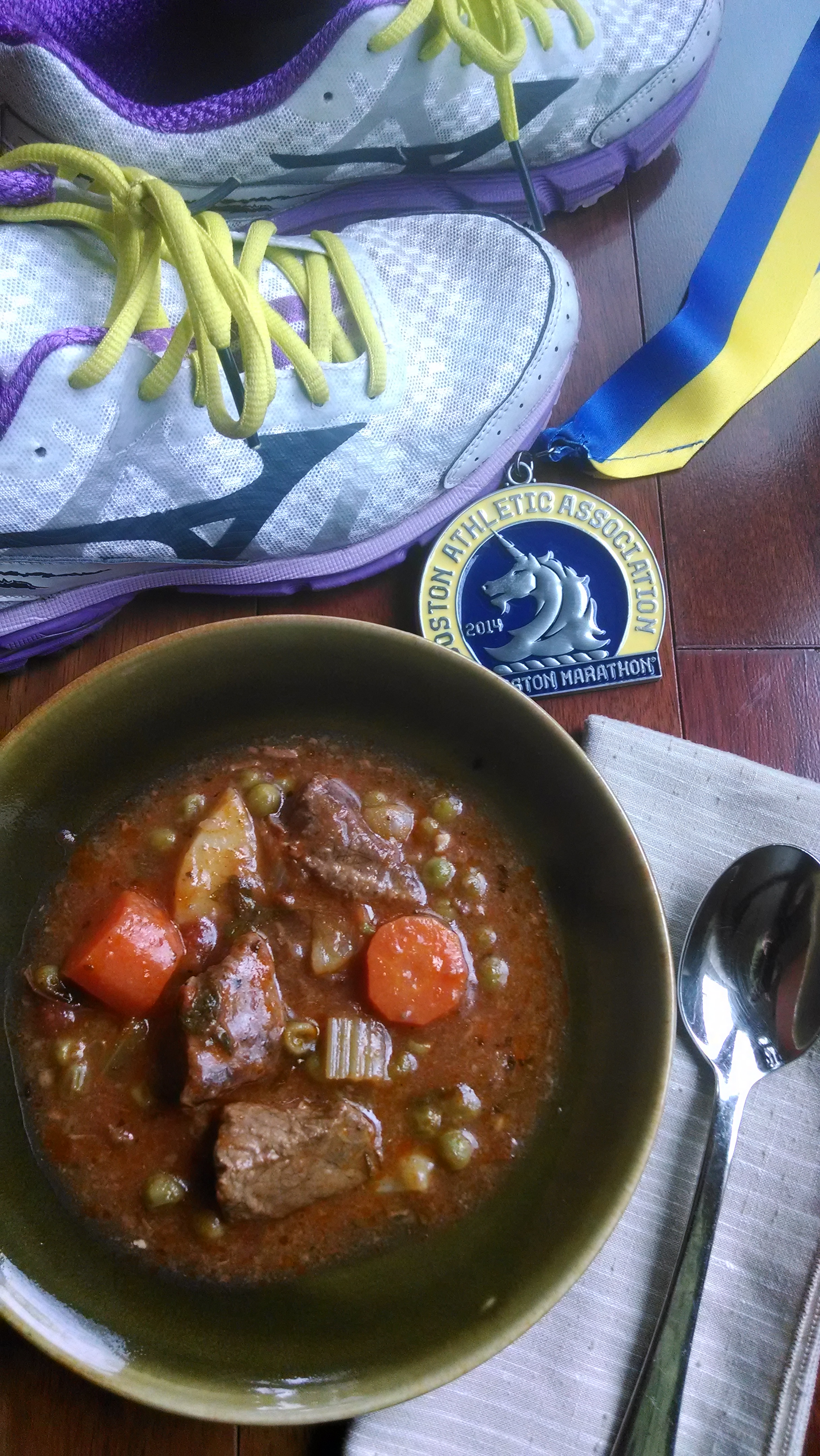
After I managed to trudge through all 26.2 miles of the Boston Marathon at the pace of a tortoise having a rough day, I gratefully received a bottle of water almost as soon as I crossed the finish line. Wrapped in a warming blanket, I then picked up a PowerBar, a Gatorade protein drink, and other foods engineered for optimum recovery – quite a change from the days when volunteers ladled out beef stew.

I’m not sure when the beef stew custom began, but it continued until 1980, when doctors suggested that healthier yogurt and PowerBars should replace the stew, reports Michael Connelly in his entertaining book of marathon lore, 26 Miles to Boston. Then race director Will Cloney responded, “We’ve been serving runners beef stew for more than five decades, and it hasn’t killed anyone yet!”

Generations of athletes appreciated the tradition, though some needed a bit more recovery time before being able to take in such a hearty dose of protein. Bennett Beach, who first ran the Boston Marathon as a Harvard University student and just completed his 47th consecutive race, wrote that he was looking forward to the “tasty beef stew” in an article published in the Harvard Crimson in 1969. “I went to get my food after dressing, but I just could not eat the stew. My stomach said no. I had about four glasses of milk, though. My mother would have been proud.”

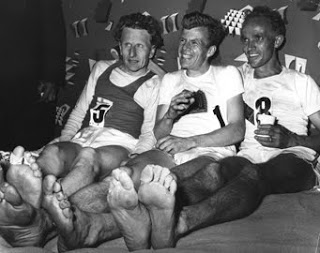
Runners in 1961 refuel at the finish line

An early beef stew recipe for 2000 runners served at the Prudential Center in Boston called for 750 pounds of beef, along with wheelbarrow-worthy quantities of potatoes, onions, carrots, peas. The one I made this week is adapted from a venerable New England source, Yankee magazine’s Main Dish Church Supper Cookbook, published in 1980. It took me a few days be able to comfortably push a grocery cart, but then I happily upheld the race tradition. Recovery is underway!
New England Beef Stew (circa 1980)
Serves 4

1/4 cup flour
1 teaspoon salt
1 pound stew beef, cut into 1 inch cubes
3 tablespoons canola oil
1 cup prepared tomato sauce
1 1/2 cups boiling water
2 sprigs parsley
2 sprigs rosemary
1/2 teaspoon dried thyme
1 bay leaf
1 clove garlic
2 creamer potatoes, cut into approximately 1 inch pieces
1/4 cup 1-inch celery slices
4 ounces frozen peas
1 tablespoon butter
1 tablespoon sugar
2 small onions, cut in half
2 carrots, cut into 1-inch slices

  1. Place the flour and salt in a paper bag. Add the beef and shake the bag until the beef is coated. (You can instead put the flour in a shallow bowl and toss the beef in it, but using the bag is a lot more fun.)
  2. Heat the oil over medium-high heat in a Dutch oven. Add the beef and brown on all sides.
  3. Add the tomato sauce and boiling water, scraping the bottom of the pan with a spoon to stir up the browned bits. Simmer, covered, over low heat until the meat is tender, about 2 hours.
  4. Add the parsley, thyme, rosemary, bay leaf, garlic, potatoes, and celery. Cover and return to a simmer.
  5. Melt the butter with sugar in a skillet. Add the onions and carrots. Cook over medium heat, stirring, until well glazed. Add to the meat mixture.
  6. Add the peas and cook until the vegetables are tender. Check every 30 minutes, though it may take an hour or longer. Refrigerate overnight and reheat before serving.x
Posted in cookbooks, Food, History, memoir | Tagged , , , | 1 Comment