
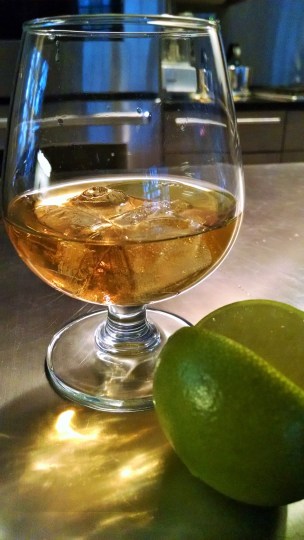
 This post finds me more-or-less installed in the kitchen in my new (and downsized) home near Boston. I knew it would be quite disruptive to pack up every dish, glass, fork, serving bowl — and cookbook. I didn’t realize how long it would take to arrange everything. I’m still disoriented but cooking again.
What better distraction than Forgotten Drinks of Colonial New England by Corin Hirsch (The History Press, 2014)? Rum has a long and somewhat inglorious history in New England. Continue reading

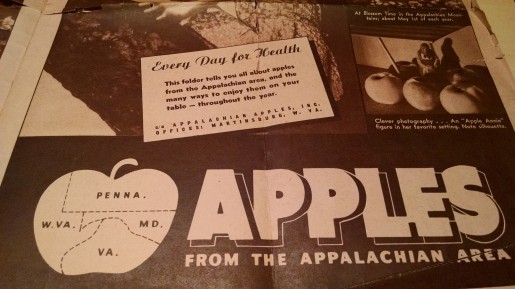 I’m in the midst of moving to a new home in the Boston area, which means I’ve temporarily lost track of my favorite cookbooks and family recipes. Yet in the midst of filling boxes, I’ve found unexpected treasures like this pamphlet from Appalachian Apples, Inc. in Martinsburg, West Virginia.
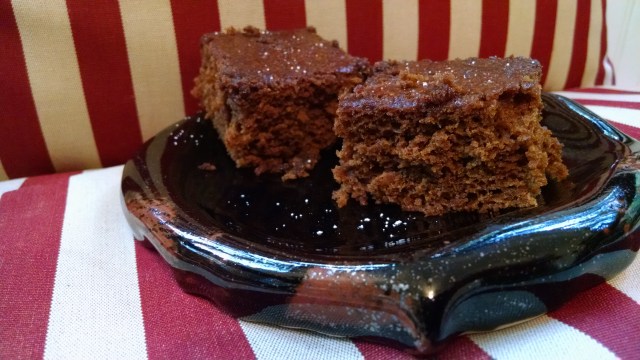 Mrs. J. F. Banchor, the woman who contributed her recipe to Home Cookery: Collection of Tried and True Recipes from Many Households (1899), certainly lacked modesty but she didn’t lack baking skills.
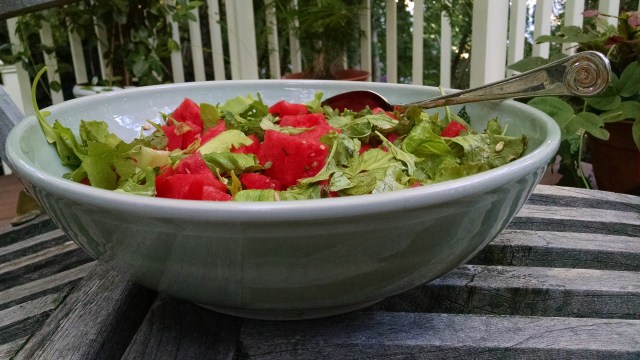 When in doubt for what to bring to a pot luck, look in your refrigerator. I found a whole watermelon and some arugula. How could I put those together? This seemed like a job for a good salad dressing.
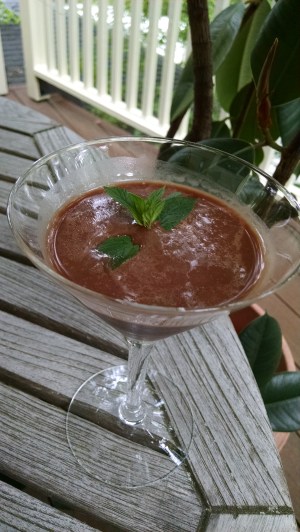 National Day of the Cowboy, this year on July 22, conjures up images of campfires and beans, but
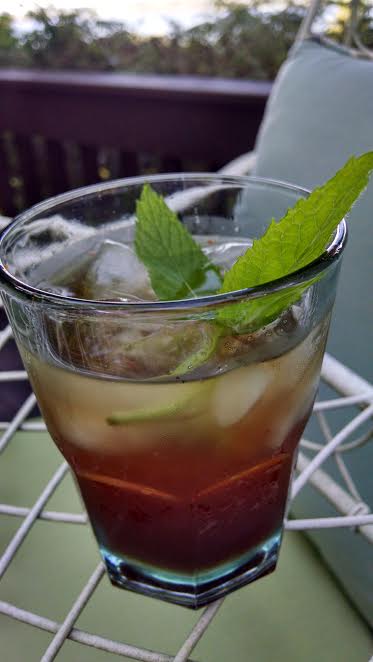 Fruit, sugar and vinegar sound like a recipe for a yuck-face emoji, but 300 years of history suggest otherwise.
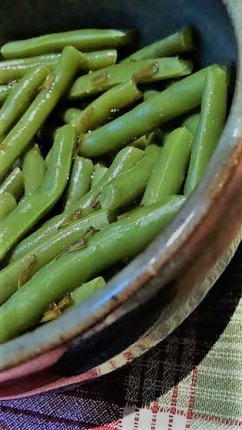 When I was growing up in Richmond, Virginia, my grandmother always called green beans “snaps,” short for snap beans.
 A visit to Mount Vernon in Virginia, one-time home to George Washington, brings you into the dining rooms where he entertained and the fields and gardens where he grew his food.
 An unruly but quite productive rhubarb plant grows in my yard in Boston, so I’m always looking for ideas beyond my standard strawberry-rhubarb jam. I found this one in Signs of Good Taste by Ann Meade Besenfelder (2000), a book about restaurants in Richmond, Virginia’s historic Fan District, where my grandparents once lived.


 heritagerecipebox